You need a California chimney sweep and fireplace repair company that's up to code, focused on safety, and straightforward. We maintain to NFPA 211 with HEPA containment, remove creosote, verify dampers, and log everything with photos. Our certified inspections, masonry repairs, and UL-listed liner upgrades optimize draft, guard against water intrusion, and satisfy California Mechanical and Fire Codes. We also set up inserts, fix draft/odor issues, and deliver flat-rate scopes with permits when required. Keep going to see our service options, rates, and service areas.
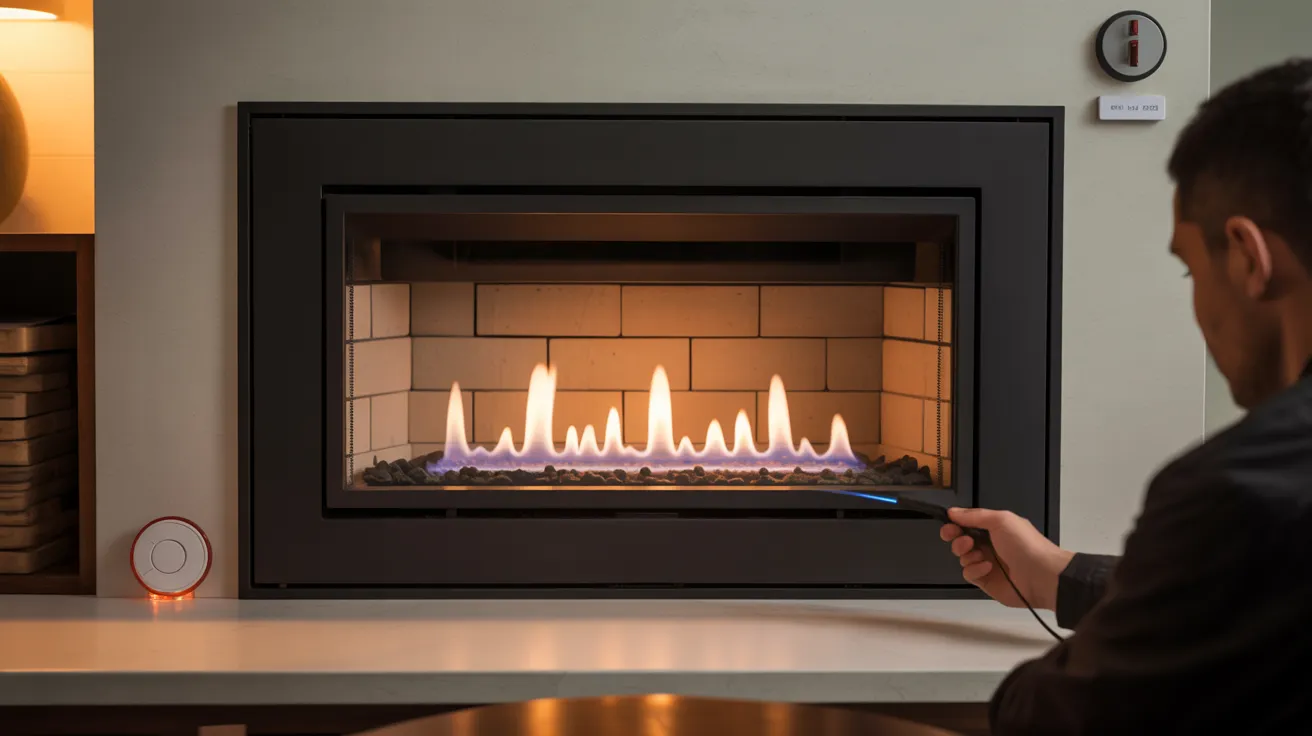
Essential Points
- CSIA/NFPA 211 chimney cleaning services, including comprehensive creosote elimination, featuring HEPA-controlled environment and comprehensive Level I through III assessments with photo documentation and prioritized maintenance solutions.
- Safety standards and regulations: comprehensive checks for California Mechanical, Building, and Fire Codes, CO level verification, necessary permit documentation, and detailed, transparent invoices without hidden costs.
- Masonry restoration and moisture control: specializing in chimney crowns, caps, flashing installation, tuckpointing work, historical mortar restoration, and moisture-resistant sealants.
- Chimney liner upgrades and renovation: UL-listed stainless components with thermal protection, combustion and draft optimization, advanced control systems, heating inserts, and critter-proof terminations.
- We offer comprehensive coverage throughout Los Angeles, Orange County, the Inland Empire region, and selected parts of Ventura and San Diego, including digital scheduling, emergency assistance, and seasonal service periods.
Expert Chimney Maintenance Services
Schedule routine chimney maintenance to keep your system safe, efficient, and up to code. You'll minimize fire hazards, optimize draft efficiency, and shield nearby building components from corrosive accumulation. Qualified specialists employ correctly sized cleaning tools to maintain flue surfaces, systematically bag waste material, and maintain detailed condition reports. Advanced creosote treatment methods address hardened and powdery buildup using appropriate mechanical or chemical solutions without compromising the condition of clay, metal, or cast-in-place liners.
They clear accumulated deposits from shelves, walls, and connecting parts, then use HEPA-filtered vacuum systems to manage debris. Specialists inspect proper damper function, eliminate obstacles, and fit chimney caps to limit water entry and animal intrusion while ensuring optimal air movement. We also provide guidance on burn practices and fuel moisture to reduce deposit accumulation between cleanings, prolonging system longevity and maintaining reliable performance.
Safety Standards and Regulatory Compliance
Arrange for annual chimney evaluations to assess proper clearances, structural integrity, and venting per NFPA 211. We carefully note problems and verify draft and examine connectors to confirm your system follows California Building and Fire Code requirements. Based on our thorough inspection report, you can prioritize necessary repairs and ensure legal and safe system operation.
Annual Chimney Maintenance Inspections
Regular chimney inspections are frequently neglected yet vital safety checks that verify your heating system's integrity, clearances, and regulatory compliance before the cold season starts. It's important to arrange a Level 1 inspection yearly, or Level 2 when changing appliances, relining the chimney, or transferring property. A qualified inspector will inspect accessible parts, check flue measurement accuracy, inspect chimney caps, assess the condition of masonry and metal components, and document defects that elevate dangers of fire hazards or carbon monoxide buildup.
As you plan your inspection, ensure you align the service with your chimney care schedule: start with sweeping if creosote accumulation surpasses Stage 1, then conduct a video inspection where needed. The professional will verify connection points, smoke chamber interfaces, damper performance, and safety clearances. You'll get a complete inspection report featuring repair priorities, inspection photos, and suggested service frequency.
Code Compliance Standards
With inspection findings in hand, make sure repairs and maintenance meet relevant building codes and safety standards to keep the system legal and safe to operate. Confirm that clearances to combustibles, hearth extensions, and chimney heights meet applicable requirements. When upgrading liners, caps, or dampers, ensure approved parts match your appliance type and venting category.
Be sure to confirm permit requirements with your local jurisdiction before initiating any work; numerous municipalities need permits for chimney relining, reconstructing crowns, adding gas logs, or modifying vent routes. Review setback regulations for exterior terminations, spark arrestors, and roof penetrations, specifically near property lines and adjacent structures. Ensure required seismic bracing, anchorage, and spark containment. Log installations with images, materials, and test results. Arrange final inspections, address any issues quickly, and preserve records for insurance documentation and real estate declarations.
Professional Masonry Repair Services
We'll address common masonry problems-such as spalling brick, cracked crowns, deteriorated mortar joints, and damaged flue tiles-utilizing ASTM-compliant materials and following NFPA 211 standards. We'll specify correct repointing with Type N or O mortar for historic brick to minimize damage from too rigid materials. You'll restore structural strength and weatherproofing while maintaining historic appearance and adhering to local California building codes.
Standard Masonry Challenges
Signs of masonry distress include cracks, spalling, and loose mortar that show serious chimney issues affecting code compliance and safety requirements. We recommend you arrange a Level I or II inspection to document damage, water intrusion, and thermal stress patterns. Perform an in-depth mortar evaluation to identify bond integrity, joint condition, and material compatibility before starting repointing. Initially tackle water infiltration issues: fix damaged flashing, chimney cap, and crown; before moving on to targeted tuckpointing using ASTM-approved mortar. Efflorescence removal is crucial: carefully brush away salt deposits, correct water drainage issues, and stay away from acidic cleaners that can damage brickwork and metal fixtures.
Monitor flue tile offsets, wash cracks, and firebox gaps; these can leak heat and flue gases, violating NFPA 211. Replace deteriorated bricks, reset loose units, and seal absorbent brickwork with moisture-permeable siloxane coating. Conclude by applying smoke chamber coating and a certified cap.
Heritage Brick Restoration
The first step in historic brick restoration is addressing structural and moisture problems. Start by conducting a detailed condition assessment: map out deterioration, salt deposits, and structural shifts, then verify foundation, firebox, and chimney stack stability. Then, precisely select compatible bricks and historical mortar compounds using material testing and ASTM C270 standards, preventing the use of mortar with high Portland cement ratios that could deteriorate soft brick. Hand-rake the joints meticulously, reconstruct historical joint patterns, and reinstall arched lintels with appropriate bearing, stainless steel anchors, and shims. Switch out only deteriorated bricks with matching salvage materials. Add through-wall flashing, drip edges, and permeable water protection. Ensure proper clearances to combustibles following NFPA 211, repair caps and crowns, and add weeps. Record all restoration steps and cure times for regulatory review.
Upgrading and Replacing Your Chimney Liner
Although liners are typically hidden, they play a crucial role in fire safety, draft performance, and code compliance. Should your flue be cracked, too big, or not approved for your unit, we can provide a code-compliant relining solution. We install stainless liners that are UL-listed meeting NFPA 211 and manufacturer specifications, guaranteeing correct venting and reducing creosote buildup. We enhance performance with thermal insulation—either poured or wrapped—to maintain proper clearances to combustibles, optimize draft performance, and protect your masonry from corrosive acidic condensates.
We evaluate components, clearances, and chimney height, then camera-scan to verify defects and document compliance. We install new clay tiles to replace worn ones, adjust improperly aligned connections, and fit insulated thimbles and protective boots. We further protect crowns and top-terminate with a listed cap and storm collar to stop water penetration and animal access, preserving safety and performance.
Modern Fireplace Solutions for Enhanced Efficiency
When it's time to modernize your hearth, we emphasize safety-focused improvements that enhance safety, efficiency, and functionality. We evaluate venting requirements, clearance specifications, and appliance certifications, then specify UL-listed components and permits in accordance with California Building Code and AHJ standards.
You can improve performance with airtight, high-efficiency inserts properly fitted to your room requirements and flue specifications, delivering higher AFUE and decreased emissions. We install stainless steel insulated liners, outdoor combustion air systems, and sealed glass doors to stabilize burn and reduce heat loss. For accurate regulation, we offer smart thermostat integration with certified gas valves, ECM blowers, and reliable spill and CO monitoring. We verify draft, manifold pressure, and combustion via analyzer, then record system setup, provide maintenance schedules, and identify shutoff locations for safety.
Managing Air Flow, Smells, and Smoke Concerns
Prior to smoke marks or stale smells warning you, evaluate air circulation and combustion efficiency with a comprehensive review of the entire venting system. Confirm chimney height-to-roof ratios, spacing requirements, and outlet positioning per building codes and safety guidelines. Check damper functionality, flue sizing, and pipe angle. Gauge ventilation with draft testing tools; correct negative pressure by adding make-up air or balancing HVAC.
Clean out buildup and blockages; swap out deteriorated baffles. Close spaces at the chimney components with rated refractory or metal flashing. Install a properly sized cap and mesh guard. Tackle odor by drying masonry, repairing leaks, and improving ventilation; employ Air purifiers as a supplemental measure, not a substitute for primary repairs. Test CO levels, verify detectors, and record corrections.
Clear Service Pricing and Process Overview
Because clarity prevents surprises, we offer scope-based pricing tied to defined tasks and code-compliant outcomes. We provide precise cost estimates following NFPA 211 standards and California Mechanical Code requirements, rather than unclear estimates. We detail each step: Level I-III inspections, soot and creosote removal, chamber surface repair, cap or crown repair, chimney liner inspection, and safety upgrades.
We commence with a thorough inspection documentation, photographic documentation, and a detailed outline that specifies labor, materials, and compliance requirements. You sign off on the work only after reviewing the scope. During implementation, technicians follow manufacturer specifications and obtain necessary permits. Upon finishing, you get detailed billing that align with the approved scope, plus a detailed report with comparative photos, compliance verification, and maintenance recommendations. No unexpected charges, no extra sales-just confirmed, code-compliant results.
Coverage Areas and Appointment Information
You've seen the way our transparent pricing and compliance-focused processes work, let's discuss our service coverage and booking process. Our service area includes Los Angeles, Orange County, Inland Empire, and portions of Ventura and San Diego areas. Check your ZIP code for service availability and specific HOA requirements and fire regulations. We provide on-site service visits with professional crews, safety-certified vehicles, and HEPA-standard protection.
Make your booking online or by telephone. You'll select the inspection type (CSIA Level I-III), extra options, and preferred windows. Service times fluctuate with seasonal factors like burn bans and air-quality advisories; winter slots book up fast, so schedule in advance. We provide pre-arrival safety information, insurance documentation, and certification proof. You can expect a complete scope, NFPA 211 compliance notes, and permit information. Emergency situations get immediate attention within code requirements and site constraints.
FAQ
Can I Get Emergency Chimney Service Beyond Normal Business Hours?
Yes, we offer emergency chimney services beyond standard operating times. We offer 24/7 availability with quick after hours support for emergency situations including fires, blockages, gas risks, and structural issues. You'll reach a certified technician who adheres to NFPA 211 and IRC guidance, performs ventilation checks, records clearances, and isolates unsafe appliances. We secure the situation, reduce draft and creosote hazards, and click here schedule compliant follow-up repairs. Contact us right away if you notice smoke, soot, or gas.
Can You Work With Historic Landmark Properties and Preservation Requirements?
Your historic landmark project is definitely workable. We'll deliver period accurate restorations aligned with local, state, and Secretary of the Interior Standards. We specify heritage compliant materials, verify compatibility with existing masonry, and document methods for preservation boards. We handle permits, prepare shop drawings, and conduct non-invasive inspections. Our technicians follow NFPA 211 and IRC/IMC requirements, maintain fire-safety clearances, and incorporate concealed liners or dampers without altering character-defining features. We'll provide compliance reports and warranties.
What Licenses and Insurance Coverage Do Our Service Technicians Hold?
Our technicians maintain industry-recognized qualifications, including NATE certification for HVAC-related venting and Chimney Safety Institute of America or comparable chimney certifications. They stay current with OSHA standards and comply with NFPA 211 specifications and municipal regulations. You're protected by all-encompassing liability insurance and workers' compensation coverage. Our professionals properly record permits, execute PPE-compliant site inspections, and provide detailed inspection reports with photos. They also participate in annual continuing education to ensure certification validity and ensure standards-compliant, safety-oriented service.
Do You Offer Maintenance Plans or Annual Service Memberships?
You can sign up for preventive maintenance packages and membership options that provide yearly system checks, NFPA 211-compliant cleanings, and preferential service scheduling. You get detailed safety evaluations, airflow and burn efficiency checks, and safety-standard suggestions for system elements and required spacing. We include camera inspections as needed, alert you before cold weather arrives, and secure preferred pricing. Maintenance programs decrease dangerous residue, CO dangers, and masonry damage, ensuring compliance with warranty and insurance requirements.
Is My Fireplace Compatible with Eco-Friendly, Low-Smoke Fuels
Yes - if your unit is listed for alternative fuels. As with instrument tuning, proper fuel-to-appliance matching is essential. Make sure to review the manufacturer's guide and UL/ANSI listing for compressed wood or biofuel pellets. For pellet stoves, specific hoppers, augers, and ASTM/UL-certified venting are necessary; traditional fireplaces generally cannot safely burn pellets. Verify that draft levels, CO monitors, and safety clearances meet code specifications. Once verified, select low-ash fuels, store them properly, and arrange annual service checks for safe operation.
Wrapping Up
As the embers settle into a reliable glow, you'll notice the peace of mind of a standards-compliant, properly functioning system. Your flue draws true, maintaining proper seals, masonry set plumb and sound. No smoke creep, no cold drafts-just optimal, consistent heat. From NFPA-211 inspections to detailed servicing, every step follows best practices and local codes. You receive transparent costs, planned around your schedule, and comprehensive documentation. Feel confident, hazard-free, and enjoy a fireplace that delivers dependable warmth.
Comments on “ Reliable Chimney Repair California”